professional Tiny Home Builder for durable builds
What to Look for in a Home Builder: A Step-by-Step Guide
Finding the most suitable home builder is a vital step. It necessitates careful evaluation of various factors, including track record, reliability, and communication approach. A thorough evaluation can uncover critical information that view information about impact the whole construction process. Understanding these components ensures a fruitful working relationship. However, understanding where to begin can be challenging. What specific factors should one prioritize in this important decision?
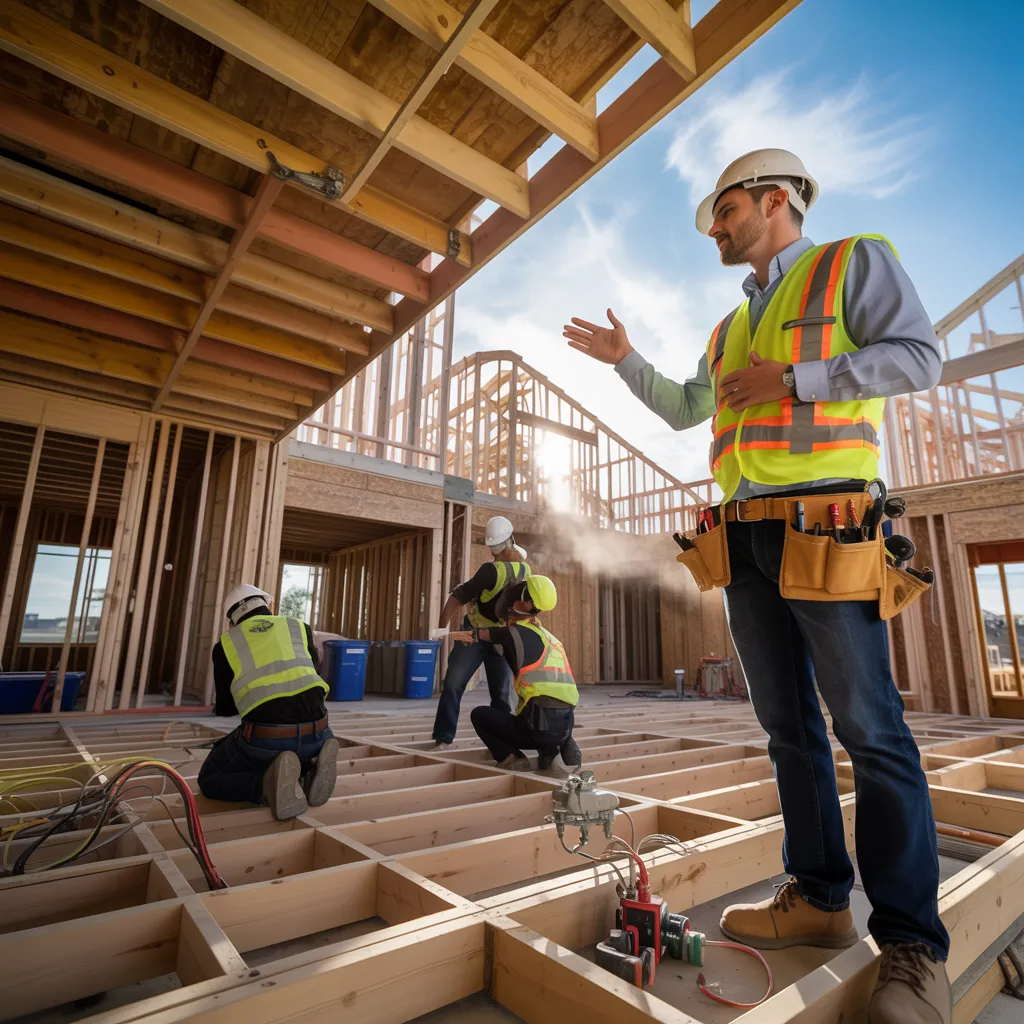
Reviewing Builder Experience and Portfolio
When picking a home builder, experience and portfolio act as key indicators of competence. Builders with extensive experience often show a more thorough understanding of construction processes, local regulations, and design trends. This background can significantly impact the efficiency and quality of the project.
A thoughtfully organized portfolio highlights a builder's range of work, presenting a variety of styles and complexities. Potential clients should examine past constructions to assess the contractor's quality of work, thoroughness, and proficiency in delivering client specifications.
In addition, the body of work can demonstrate the builder's versatility to diverse client needs and environments. Working with construction professionals who have a history of successful projects can reinforce faith in their ability to deliver on promises. When all is considered, reviewing credentials and portfolio empowers homeowners to make informed decisions, ensuring their investment matches individual goals and anticipated results.
How to Verify Reviews and Reputation?
In what ways can potential homeowners accurately gauge a builder's credibility? A particularly trustworthy strategy involves reading customer reviews on sites such as Google, Yelp, and industry-specific construction platforms. These reviews often provide insights into previous clients' experiences, highlighting strengths and weaknesses. Additionally, checking social media can reveal real-time feedback and community interactions.
It is also recommended that homeowners obtain suggestions from friends, family, or local real estate agents, as direct referrals tend to be highly influential. Furthermore, researching the builder's record with local business bureaus can bring to light any grievances or unaddressed matters.
For a thorough view, it is helpful to get in touch with previous customers, asking specific questions about their satisfaction and the quality of the work. By bringing these techniques together, potential homeowners can form a well-rounded understanding of a builder's reputation, leading to a more confident decision.
Effective Communication With Your Builder
Building clear dialogue with a home builder is important for a well-executed home renovation project. Proper communication confirms that both parties have clarity on goals, schedules, and foreseeable issues. It begins with an first meeting where property owners can convey their plans, budget, and any special considerations. Frequent check-ins, whether through emails, telephone conversations, or on-site consultations, help maintain mutual understanding.
Homeowners should encourage a transparent conversation, giving the builder the opportunity to share feedback and progress updates. This collaborative communication strengthens trust and facilitates smoother problem-solving. It is also essential for homeowners to document conversations and decisions to avoid misunderstandings later.
Defining specific milestones and timelines can further enhance communication, confirming that the project continues to progress as planned. In the end, clear and consistent communication not only reduces tension but also supports a more streamlined construction process, leading to a home that fulfills the homeowner's vision.
How Your Home Builder Selects Materials
Open communication sets the stage for grasping how builders determine materials for a construction endeavor. Construction professionals commonly assess numerous elements, such as the project's design, regional building codes, and the client's preferences. Such experts routinely focus on quality and resilience, selecting materials that satisfy or surpass industry benchmarks.
Environmental responsibility is another key consideration, with numerous contractors integrating sustainable choices to appeal to environmentally conscious clients. They may collaborate with suppliers to secure the supply of chosen materials, while adhering to project schedules and financial constraints.
Moreover, builders examine the pricing and performance traits of materials, measuring the benefits of several alternatives against associated risks. This meticulous review process helps verify that the chosen materials corresponds with the homeowner's goals while delivering both structural soundness and visual appeal. Fundamentally, the selection of materials demonstrates both the contractor's knowledge and the homeowner's collaborative contribution.
Exploring Fair Pricing Structures
Comprehending reasonable cost frameworks is vital for prospective homeowners. A detailed cost breakdown allows clients to understand precisely where their money is going, while comparing price quotes helps confirm they are getting competitive quotes. This openness can considerably influence the selection process when selecting a builder.
Transparent Cost Breakdown
How can prospective homeowners guarantee they are getting a fair deal when hiring a builder? A clear and detailed cost breakdown is crucial for comprehending equitable pricing frameworks. Builders should provide detailed estimates that outline all costs involved, including materials, labor, permits, and unexpected expenses. Such transparency not only builds trust but also allows homeowners to evaluate how their money is being spent. Future buyers should question the pricing strategy applied, verifying it corresponds with established industry norms. A reputable builder will willingly discuss their pricing strategy, explaining any variances in costs. Such candor empowers homeowners to make educated decisions and decreases the chance of undisclosed fees or surprise costs, guaranteeing a more efficient building journey.
Evaluating Quote Estimates
When examining potential builders, comparing quote estimates proves to be a critical step in ensuring fair pricing structures. Potential homeowners should obtain numerous bids to comprehend standard market pricing and identify discrepancies. Each estimate should include a detailed breakdown of costs, encompassing materials, labor, and any additional fees. This clarity aids in assessing whether a quote is competitive or inflated. Homeowners should also inquire about the reasoning behind each bid, as various contractors may apply different benchmarks for labor and materials. It is vital to take into account not only the overall price but also the standard of materials and services offered. By thoroughly examining these quotes, homebuyers can reach educated conclusions and select a builder that aligns with their budget and expectations.
Critical Questions to Ask Before You Sign
Before signing a contract with a residential builder, it is vital to inquire about their experience and expertise. Moreover, checking their credentials and insurance can ensure peace of mind regarding their qualifications and your security. To conclude, learning about the warranty and support services available can help guarantee lasting satisfaction with your investment.
Expertise and Background
Choosing a home builder demands thorough evaluation of their experience and expertise, as these qualities significantly impact the quality of the completed project. Potential homebuyers should ask about the builder's experience in the business and the kinds of properties they specialize in. Seeking references or examples of finished homes can reveal information about their skill level and customer experience. It is also helpful to learn about the builder's methods for project management and problem-solving, as these skills can impact timelines and budgets. Additionally, inquiring about any honors or accolades earned can highlight their reputation within the community. At the end of the day, a builder's background and proficiency should align with the homeowner's goals and aspirations for their future residence.
Licensing & Insurance
A complete understanding of licensing requirements and insurance is vital for homeowners choosing a builder. Homeowners should initially confirm that the builder has a current and valid license, as this confirms conformity with regional standards and regulations. It is recommended to request documentation of the license, verifying that it remains valid and applicable to the construction type being planned.
Insurance coverage is equally vital. Homeowners should inquire about general liability insurance, which protects them from potential damages, and workers' compensation insurance, safeguarding against injuries on-site. A reputable builder should willingly provide proof of both. This due diligence not only protects the homeowner's investment but also fosters trust in the builder's professionalism and commitment to quality.
Guarantee and Aftercare Solutions
Grasping warranty and aftercare services is a crucial next step after verifying a builder's credentials and coverage. Potential homeowners should ask about the particulars of the warranty coverage, including its duration and what it encompasses. Important questions to ask are: What is the procedure for submitting a claim? Are there any limitations or exclusions? Furthermore, it's important to understand the post-construction services offered. Residents should inquire how the builder addresses post-construction issues, such as repairs or maintenance. They should also investigate the responsiveness of the support team and response times for maintenance requests. A construction company's investment in warranty and aftercare services can substantially affect the long-term satisfaction with the home, making these inquiries necessary before finalizing any agreements.
Frequently Asked Questions
What Types of Warranties Do Home Builders Usually Provide After Project Completion?
Home builders typically offer warranties that protect against structural defects for 10 years, one to two years for systems and appliances, and workmanship for one year, ensuring protection against potential issues after project completion.
How Do Builders Address Unexpected Project Delays or Challenges?
Builders commonly handle unanticipated construction delays by communicating transparently with clients, identifying the root cause, and offering adjusted project timelines. They can put contingency measures in place and negotiate solutions to minimize impact, maintaining the continuation of work and stakeholder confidence.
Am I Able to Customize My Home Design With Any Builder?
Not all construction companies offer the customization of residential designs. Some offer predefined layouts, while some give homeowners more versatile choices. Prospective homeowners should inquire about customization possibilities to guarantee their vision aligns with what the builder provides.
What Types of Financing Options Do Builders Provide for New Homes?
Builders commonly provide several financing options, including direct builder financing, arrangements with financial partners, and flexible payment plans. These plans are intended to accommodate different budgets, making purchasing a home more achievable for interested purchasers looking for newly built properties.
What Methods Do Builders Use to Ensure Energy Efficiency in New Homes?
Construction professionals guarantee energetic efficiency in new homes by integrating high-performance insulation materials, thermally efficient windows, and HVAC systems. They further incorporate environmentally responsible building practices and innovations, working to decrease energy consumption and strengthen overall environmental efficiency.